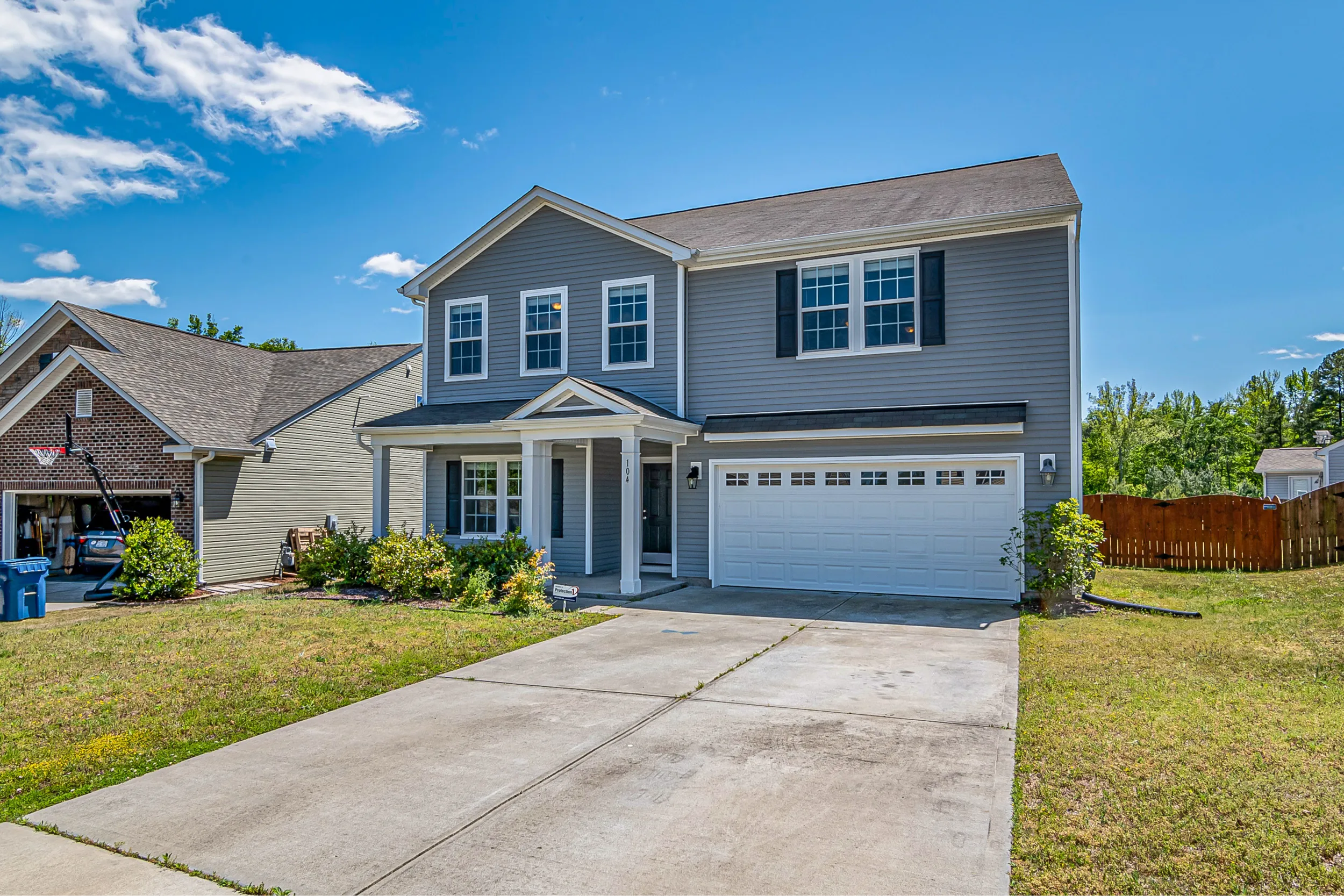
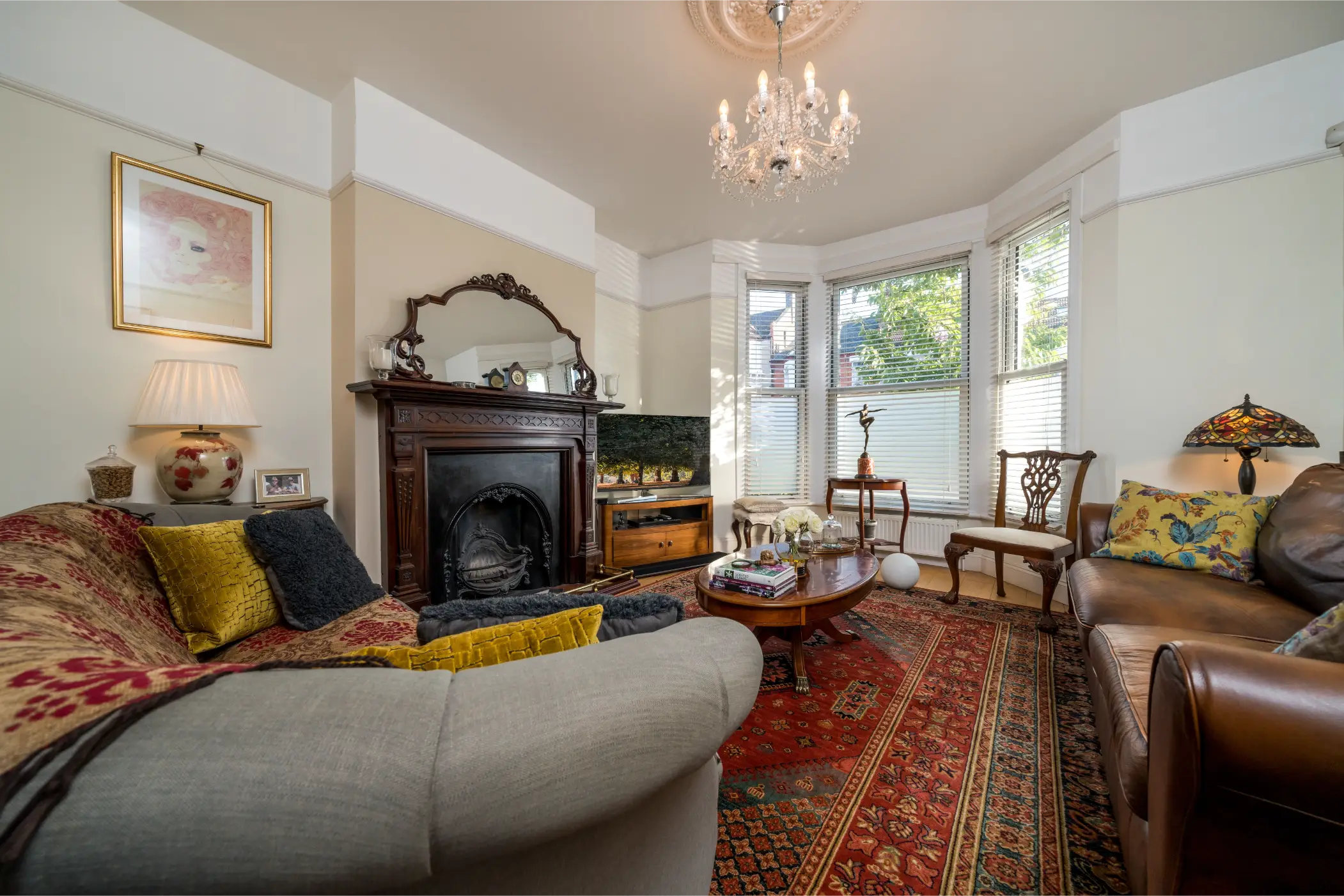
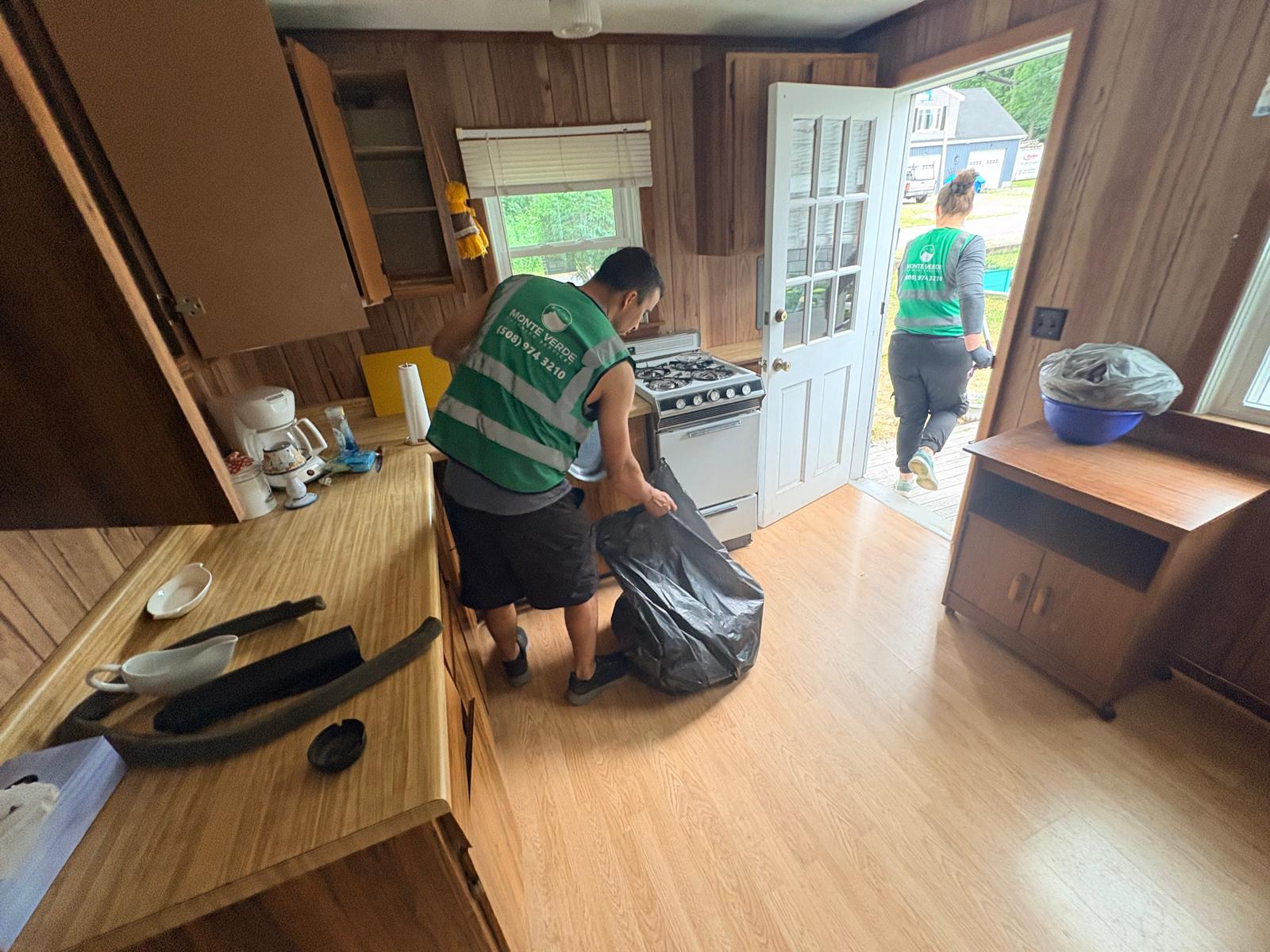
Navigating a full property clearance in Springfield requires adapting to the varied housing stock across Hampden County. Emptying a sprawling historic home in Forest Park involves different logistical constraints than clearing a mid-century ranch in Sixteen Acres or East Forest Park. Older, densely built neighborhoods near Indian Orchard and the Boston Road corridor frequently feature narrow shared driveways, tight property lines, and strict municipal parking regulations. These constraints complicate commercial roll-off dumpster staging and require precise truck routing to avoid municipal code violations and minimize disruptions to adjacent properties. When removing heavy, oversized furniture from multi-story walk-ups, crews must use specialized pathway protection to preserve original woodwork, plaster walls, and tight interior staircases.
Disposal routing in Western Massachusetts follows specific municipal and regional protocols. Non-salvageable bulk debris, broken furniture, and general property junk are transported to the Bondi's Island disposal complex in Agawam. Because tipping fees are calculated by weight, efficiently sorting a property's contents is critical to managing total project costs. Usable household goods, vintage furniture suited for Pioneer Valley estate liquidations, and clothing are systematically separated during the initial interior extraction. These salvageable items are diverted away from the landfill and routed to Albany Street area donation hubs and local charities. Additionally, older Springfield homes frequently store legacy hazardous materials—such as lead-based paints, outdated solvents, and automotive fluids—in basements and detached garages. These materials must be cataloged on-site and processed through designated household hazardous waste drop-off protocols rather than standard bulk dumping.